

 English
 中文简体
 italiano
 Deutsch
 한국어
 Español
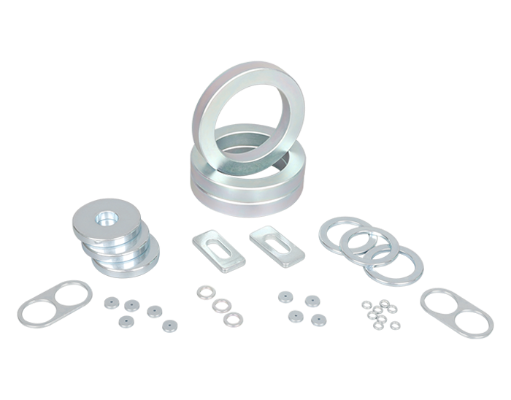
Magnets play a crucial role in modern technology, from electric motors to sensors and consumer electronics. Among the many types available, Special Shaped Ferrite Magnets offer unique advantages due to their customized forms, magnetic properties, and cost-effective production. These magnets are widely applied in industrial, commercial, and hobbyist settings, offering flexibility for specialized requirements.
1. Understanding Special Shaped Ferrite Magnets
Ferrite magnets, also known as ceramic magnets, are composed mainly of iron oxide combined with strontium or barium carbonate. They are known for their resistance to corrosion, affordability, and moderate magnetic strength. When produced in custom shapes, these magnets become Special Shaped Ferrite Magnets, designed to fit specific machinery or devices.
Key characteristics include:
- Corrosion resistance: Suitable for humid or industrial environments
- Cost-effective: Lower production cost compared to rare-earth magnets
- Versatile magnetic strength: Adjustable for various applications
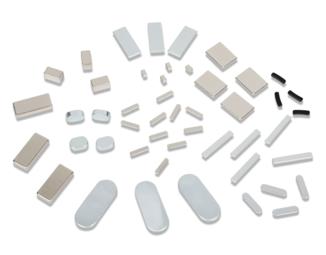
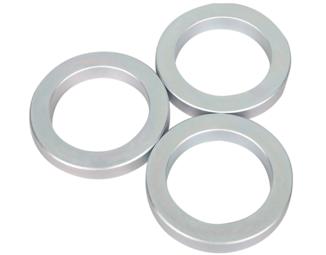
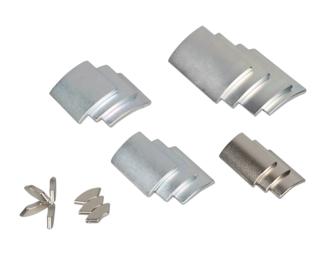
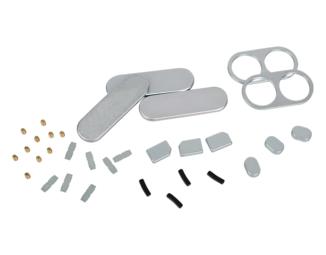
- Customizable shapes: Rings, arcs, blocks, cylinders, and other designs
These properties make them a practical choice when specific geometric forms are needed for efficient magnetic performance.
2. Applications of Special Shaped Ferrite Magnets
The versatility of Special Shaped Ferrite Magnets makes them suitable for numerous industries:
- Electric motors and generators: Custom-shaped magnets help optimize magnetic flux in motors
- Magnetic sensors: Designed to fit precise spaces for accurate detection
- Loudspeakers and audio devices: Shaped ferrite magnets contribute to improved sound quality
- Magnetic assemblies: Used in magnetic separators, lifting devices, and industrial equipment
By tailoring the shape and size, manufacturers can improve efficiency, reduce space requirements, and enhance overall performance.
3. Benefits of Custom Shapes
Special shaping of ferrite magnets offers several advantages:
- Space efficiency: Magnets fit into specific design requirements without compromising performance
- Enhanced functionality: Shapes can direct or focus magnetic fields in desired directions
- Design flexibility: Engineers can integrate magnets into complex assemblies
- Cost savings: Producing ferrite magnets in a specific shape can reduce material waste
These benefits make Special Shaped Ferrite Magnets an attractive option for applications where standard blocks or cylinders may not meet design requirements.
4. Factors to Consider When Choosing Special Shaped Ferrite Magnets
Selecting the right Special Shaped Ferrite Magnets involves evaluating multiple factors:
- Shape and size: Should match the mechanical and magnetic requirements of the device
- Magnetic properties: Ensure sufficient strength and stability under operating conditions
- Temperature resistance: Choose grades suitable for high-temperature environments if needed
- Surface finish: Smooth or coated surfaces can improve assembly and reduce wear
These considerations help ensure that the magnet performs reliably and integrates seamlessly into its intended application.
5. Tips for Handling and Maintenance
Although ferrite magnets are relatively durable, careful handling enhances their lifespan:
- Avoid dropping or striking the magnet, which can cause cracking
- Keep magnets away from sensitive electronics and other magnets to prevent unwanted attraction
- Clean with a dry cloth and avoid corrosive chemicals
- Store in a way that prevents demagnetization or physical damage
- Proper care ensures that Special Shaped Ferrite Magnets maintain their magnetic properties and shape over time.
Special Shaped Ferrite Magnets combine the reliability and affordability of ferrite with the flexibility of custom geometries. Their applications in electric motors, sensors, audio devices, and industrial equipment make them a practical solution for varied requirements. By carefully considering shape, magnetic properties, and handling practices, manufacturers and engineers can ensure efficient performance and longevity.
These magnets provide a versatile, cost-effective option when standard shapes do not meet design or operational needs, supporting innovation across multiple industries.